Skip to content
DisclaimerTerms Of UseGDPR PolicyCookie Policy

easycookingbite

  • Home
  • Drinks
  • Appetizers
  • Dinner
  • Dessert
  • About
  • Contact
  • Privacy Policy
DisclaimerTerms Of UseGDPR PolicyCookie Policy

Lily

- 4 medium-sized russet potatoes - 3 tablespoons olive oil - 1 teaspoon garlic powder - 1 teaspoon onion powder - 1 teaspoon smoked paprika - 1 teaspoon dried rosemary - 1 teaspoon dried thyme - Salt and pepper to taste - Fresh parsley, chopped (for garnish) You can change the oil if you like. Avocado oil or vegetable oil works well. For spices, try oregano or cumin instead of the ones listed. These swaps can bring new flavors that you might enjoy. Russet potatoes are the best for crispy wedges. They have high starch content, making them fluffy inside and crispy outside. Organic potatoes can be better for taste and health, but regular ones work too. Always pick firm potatoes without bruises or soft spots for the best results. Prepping the Oven and Baking Sheet Start by preheating your oven to 425°F (220°C). This high temperature helps make the wedges crispy. Next, line a large baking sheet with parchment paper. This step is key for easy cleanup and prevents sticking. Washing and Cutting the Potatoes Take four medium-sized russet potatoes. Wash them under cold water to remove dirt. Scrubbing is important; you want clean skins for texture. After washing, cut each potato in half lengthwise. Then, slice each half into wedges, aiming for about six to eight wedges per potato. Keeping the skin on boosts flavor and nutrition. Mixing the Seasoning Blend In a large mixing bowl, add three tablespoons of olive oil. Then, sprinkle in one teaspoon each of garlic powder, onion powder, smoked paprika, dried rosemary, and dried thyme. Season with salt and pepper to taste. Mix well until all the spices blend into the oil. This mixture will infuse the wedges with great flavor. Tossing the Potatoes in Oil Now, add your cut potato wedges to the bowl. Toss them in the oil mixture so each wedge is coated evenly. This ensures every bite is full of flavor. If needed, use your hands to make sure they are well-covered. Baking Temperature and Timing Spread the seasoned potato wedges on the lined baking sheet in a single layer. Avoid crowding them; this helps them crisp up. Bake in the preheated oven for 30 to 35 minutes. Tips for Flipping the Wedges Halfway through baking, flip the wedges. Use a spatula to turn them gently. This helps them cook evenly. You want them golden brown and crispy on all sides. For the full details, check the [Full Recipe]. To get those perfect crispy potato wedges, spacing is key. Make sure the wedges are not touching on the baking sheet. If they crowd each other, they will steam instead of crisp up. The type of oven you use also matters. A convection oven can help circulate hot air, giving you a better crunch. Lastly, the weight of the potatoes affects texture. Heavier potatoes have more moisture, which can lead to soggy wedges. You can boost the flavor of your wedges by playing with spice levels. If you like heat, add some cayenne or chili powder. For a milder taste, stick with herbs like oregano or dill. Famous seasoning blends, like Cajun or Italian seasoning, can add a fun twist. Experiment with what you love to create a mix that excites your taste buds. Crispy potato wedges taste amazing with dips. Try them with garlic aioli, spicy ketchup, or ranch dressing. Pair your wedges with burgers, grilled chicken, or even a fresh salad. For a fun presentation, serve them in a rustic basket lined with parchment. This adds charm and makes the meal feel special. {{image_2}} You can change up your potato wedges with fun flavors. Here are two ideas: - Cheese-loaded potato wedges: To make these, add parmesan cheese. Sprinkle it on the wedges during the last few minutes of baking. This gives a rich and savory taste you will love. - Spicy jalapeño-infused wedges: For a kick, mix in chopped jalapeños. You can add them to the oil blend before tossing the wedges. This will give your dish a spicy flair. You can cook your crispy potato wedges in different ways. - Air fryer crispy potato wedges: If you want a quick method, the air fryer works great. It cooks the wedges faster while keeping them crispy. Just set the temperature to 400°F (200°C) and cook for 20-25 minutes, shaking halfway through. - Deep-fried versions for added crunch: For an extra crispy texture, deep frying is a classic choice. Heat oil to 350°F (175°C). Fry the wedges in batches until golden brown. This method makes them crunchy all around. You can also adapt your recipe for different diets. - Vegan options for seasonings: Most of the spices are already vegan. Just ensure any added cheese is dairy-free if you want a vegan dish. - Gluten-free alternatives: This recipe is naturally gluten-free. Just check your seasonings to make sure they are gluten-free. This way, everyone can enjoy your crispy potato wedges! For the full recipe, check out the crispy herb-infused potato wedges section above. To keep your leftover wedges fresh, store them in the fridge. Place them in an airtight container. This way, they won’t dry out. Use them within three days for the best taste. To keep your wedges crispy when reheating, use the oven or an air fryer. Preheat your oven to 400°F (200°C). Spread the wedges on a baking sheet, and heat for about 10-15 minutes. This method restores their crunch. If you need a quick option, you can use the microwave. Place wedges on a microwave-safe plate. Heat them for 30 seconds at a time until warm. However, this method may make them a bit soft. You can freeze potato wedges if you want to save some for later. First, let them cool completely. Then, place the wedges in a single layer on a baking sheet. Freeze them for about an hour. Once frozen, transfer them to a freezer-safe bag. They can last up to three months in the freezer. To cook frozen wedges, preheat your oven to 425°F (220°C). Bake them straight from the freezer for about 30-35 minutes. No need to thaw! Enjoy your crispy potato wedges anytime. For the full recipe, check out the Crispy Herb-Infused Potato Wedges. To make crispy potato wedges, start by preheating your oven to 425°F (220°C). Line a baking sheet with parchment paper to keep it clean. Wash and scrub the russet potatoes well, then cut them into wedges. Leaving the skin on helps with texture. Next, mix olive oil with garlic powder, onion powder, smoked paprika, rosemary, thyme, salt, and pepper in a bowl. Toss the potato wedges in this mix until they are fully coated. Spread them out on the baking sheet, making sure they aren't crowded. Bake for 30-35 minutes. Flip them halfway for even crispiness. Crispy potato wedges taste great with many dips. Some popular options include: - Garlic aioli - Spicy ketchup - Ranch dressing - Barbecue sauce - Sour cream with chives Feel free to mix and match dips based on your taste! Yes, you can prepare potato wedges in advance. Cut and season them a few hours before cooking. Store them in a sealed container in the fridge. This keeps them fresh. You can also freeze uncooked wedges. Just place them on a baking sheet to freeze, then transfer to a freezer bag. When ready to cook, bake them straight from the freezer. Adjust the cooking time as needed. For more details, check out the Full Recipe. In this blog post, we've explored how to make crispy potato wedges. We discussed the best ingredients, including potatoes and spices. You learned tips for prep and baking, focusing on achieving that perfect crunch. I provided helpful ideas for seasoning, storage, and serving. The right techniques can transform simple ingredients into a delicious snack. Enjoy experimenting with flavors and methods. Your perfect crispy potato wedges are just a recipe away!

Crispy Potato Wedges Flavorful and Easy Recipe Guide

If you’re craving a snack that’s crunchy and bursting with flavor, crispy potato wedges are the answer. I’ve crafted a

- 1 large French baguette - 1 cup pitted green olives, chopped - 1 cup pitted black olives, chopped - 2 cups shredded mozzarella cheese - 1 cup crumbled feta cheese - 3 tablespoons olive oil - 2 cloves garlic, minced - 1 teaspoon dried oregano - 1 teaspoon red pepper flakes (optional) - Salt and pepper to taste - Fresh parsley, chopped (for garnish) To make this olive cheese bread, you need some simple yet flavorful ingredients. Start with a large French baguette. Its crusty outside and soft inside make it perfect for holding toppings. Next, you’ll need olives. I like to use both green and black olives for a mix of flavors. They add a nice briny taste. The cheese is key here. Mozzarella gives you that gooey stretch, while feta adds a tangy kick. For the extra flavor, we include garlic and oregano. Garlic adds depth, and oregano brings a nice herb note. If you like a bit of heat, sprinkle in some red pepper flakes. Don’t forget salt and pepper to taste. Finally, a drizzle of olive oil helps everything blend together. Once baked, top with fresh parsley for a bright finish. This dish is tasty, simple, and perfect for sharing. If you want to follow along step-by-step, check out the Full Recipe. - Preheat the oven to 375°F (190°C). - Slice the baguette in half lengthwise. This helps the bread crisp up nicely. - Combine olives, cheeses, garlic, olive oil, oregano, and spices in a bowl. - Use a spatula to mix well. You want every bite packed with flavor. - Spread the filling generously over the cut sides of the baguette. Make sure to cover all the bread. - Bake in the preheated oven for about 15 to 20 minutes. Look for the cheese to get bubbly and slightly golden. - Remove from the oven and let cool for a few minutes. This helps prevent burns when serving. - Garnish with chopped fresh parsley before serving. It adds color and freshness. This olive cheese bread is a crowd-pleaser. You can find the Full Recipe for all the details to make it perfect! To make your olive cheese bread shine, use a mix of cheese. Mozzarella gives it that gooey texture. Feta adds a nice tang. Together, they create a rich flavor. You can also adjust the seasoning. Taste as you mix the filling. If you love spice, add more red pepper flakes. For a milder taste, skip them. Everyone's taste is different, so find what you love! Presentation matters for any dish. Consider garnishing your olive cheese bread with fresh herbs. Chopped parsley looks great and adds color. Serve it warm right from the oven. Warm bread tastes best and melts the cheese perfectly. For an extra touch, add a small bowl of olives on the side. This makes your dish look inviting. Enjoy each bite with friends and family! {{image_2}} You can change the taste of your olive cheese bread easily. Try using different olives. Kalamata olives add a rich flavor. Green olives give a nice tang. You can also swap cheeses. Use sharp cheddar for a twist or creamy goat cheese for a smooth texture. Adding toppings can make it even better. Sun-dried tomatoes add sweetness. Artichokes give a nice, earthy taste. These swaps keep the recipe fresh and exciting. If you need gluten-free options, use a gluten-free baguette. This way, everyone can enjoy it. For vegan friends, swap the cheeses with plant-based versions. There are great vegan mozzarella and feta options available. This dish can fit many diets while still being delicious. With these adjustments, your olive cheese bread can cater to any guest. Store your olive cheese bread at room temperature for short trips. Wrap it in foil or plastic wrap. This keeps the bread from getting hard. It stays fresh for about two days. For longer storage, put it in the fridge. However, the bread may lose some crispiness. Wrap it tightly in plastic wrap or foil. It can last up to a week in the fridge. Just remember, the flavor is best when it's fresh. To reheat, use an oven for the best taste. Preheat your oven to 350°F (175°C). Place the bread on a baking sheet. Heat it for about 10 minutes. This brings back the crisp texture. You can also use a microwave, but it may not keep the bread crispy. Heat it in short bursts of 15 seconds. Check on it often to avoid making it soggy. Enjoy your olive cheese bread warm for the best flavor! How to make olive cheese bread? To make olive cheese bread, start with a large French baguette. Slice it in half lengthwise. In a bowl, mix chopped green and black olives with mozzarella and feta cheese. Add minced garlic, olive oil, oregano, and spices. Spread this mixture on the bread and bake at 375°F for 15-20 minutes. The cheese should be bubbly and golden. Can I make it ahead of time? Yes, you can make olive cheese bread ahead of time. Prepare the filling and spread it on the bread. Then, cover and store in the fridge. Bake it just before serving for the best taste. What dips pair well with olive cheese bread? Olive cheese bread tastes great with dips like hummus, tzatziki, or a simple olive oil and balsamic vinegar mix. These dips add extra flavor and make your appetizer spread more exciting. Why is my cheese not melting properly? If your cheese isn't melting, it may be too cold. Ensure the cheese is at room temperature before mixing. Also, using low-moisture mozzarella helps it melt better. What to do if the bread is too hard after baking? If the bread turns out too hard, try slicing it thinner next time. You can also brush it with a bit more olive oil before baking to keep it softer. Consider baking for a shorter time if needed. This blog post covered how to make delicious olive cheese bread. You learned about the main and additional ingredients needed, plus step-by-step instructions for perfecting the dish. I shared tips for serving and variations for different diets too. In conclusion, this recipe is simple and offers room for creativity. Whether you stick to the basics or make changes, you can enjoy a tasty treat. Enjoy baking and sharing this dish with friends and family!

Olive Cheese Bread Appetizer Tasty and Simple Dish

Looking for a quick, tasty snack that’s sure to impress? You’re in the right place! This Olive Cheese Bread Appetizer

Here are the ingredients you will need for this cozy soup. Each item adds to the rich flavor and creamy texture. - 4 large russet potatoes, peeled and diced - 1 medium onion, chopped - 3 cloves garlic, minced - 4 cups vegetable broth - 1 cup sharp cheddar cheese, shredded - 1 cup heavy cream - 1 teaspoon dried thyme - 1 teaspoon paprika - Salt and pepper to taste - 4 green onions, sliced (for garnish) - Croutons (optional, for garnish) These ingredients come together to create a warm and filling meal. The russet potatoes give the soup its heartiness. The sharp cheddar cheese adds a rich, cheesy flavor. Heavy cream makes the soup extra creamy, while the garlic and onion provide depth. Use fresh herbs to enhance the flavor. For the best taste, choose good quality broth. You can adjust the seasoning based on your preference. Having these ingredients on hand makes it easy to whip up this comforting soup. Check out the Full Recipe for detailed instructions on how to prepare this delicious dish! To start, you need to prep the potatoes, onion, and garlic. First, peel the russet potatoes and dice them into small cubes. This helps them cook evenly. Next, chop the onion into small pieces. Mince the garlic cloves as well. Before you cook, seasoning is key. Add salt and pepper to the vegetables in the slow cooker. This step boosts the flavor as they cook. Don’t skip this part! Now, let’s set up the slow cooker. You can choose to cook on low for six hours or high for three hours. I recommend using low for a richer flavor. As the soup cooks, keep an eye on the time. Check the potatoes for tenderness. They should be soft when poked with a fork. After cooking, it’s time for the fun part! You can either mash the potatoes slightly with a potato masher or blend them for a smooth texture. Both options work well, so choose what you like best. Next, stir in the heavy cream and shredded cheddar cheese. This makes the soup creamy and rich. Make sure the cheese melts completely. If you want it thicker, let it cook on low for an extra 15 to 20 minutes. Once done, serve the soup in bowls. Garnish with sliced green onions and croutons if you like. For the full recipe, check out the section above! To make your soup burst with taste, try adding spices and herbs. You can use: - 1 teaspoon garlic powder - 1 teaspoon onion powder - 1 teaspoon dried parsley These will boost the flavor without much effort. For cheese lovers, swap out cheddar for: - Gruyere - Monterey Jack - Pepper Jack Each cheese gives a unique taste and texture to the soup. It’s fun to experiment! Control the soup’s texture by how you mash the potatoes. If you want chunks, mash gently. For a smooth soup, use an immersion blender. Adjust the creaminess by adding more or less heavy cream. If you want to prepare it ahead, cook as usual. Store it in the fridge and reheat when ready. The soup tastes great the next day! Garnishes can make your soup pop! Beyond green onions and croutons, try: - Fresh herbs like thyme or basil - A dollop of sour cream - Crispy bacon bits Pair your soup with crusty bread or a fresh salad. This makes a cozy meal. Try adding a light vinaigrette salad for a refreshing touch. For the full recipe, check it out. {{image_2}} You can change the type of potatoes for new flavors. For a sweeter touch, try sweet potatoes. They add a nice twist. You can also use Yukon Gold potatoes for a creamier texture. Swap out the vegetable broth for chicken broth if you like. This will add a bit more depth to your soup. Adding other veggies can make it even better. Diced carrots or chopped celery can add color and crunch. Try adding a handful of spinach or kale for extra nutrition. These simple swaps can transform your soup into something unique. If you need a gluten-free option, this soup is easy to adapt. Use gluten-free broth and check the cheese label to ensure it fits your needs. For a dairy-free version, replace the heavy cream with coconut milk. Nutritional yeast can add a cheesy flavor without dairy. If you're looking for low-calorie options, consider using less cream or cheese. You can also cut down on potatoes and add more veggies. This keeps the soup filling but lowers the calories. Want to kick up the flavor? Try adding cooked bacon or diced ham. These proteins bring a savory depth to the soup. You can also add spices for a bit of heat. Cayenne pepper or diced jalapeños can spice things up nicely. Experimenting with your soup can lead to fun results. Try mixing in herbs like rosemary or fresh parsley to refresh the flavor. These changes can make your cozy bowl of soup feel new and exciting. Check out the Full Recipe for more ideas. To store your leftover cheesy potato soup, let it cool first. Then, transfer it to an airtight container. This keeps the soup fresh. You can store it in the fridge for about 3 to 4 days. If you notice any change in smell or color, it’s best to toss it out. Always check before using! You can freeze this soup, but make sure it cools down completely. Pour the soup into freezer-safe bags or containers. Leave some space at the top, as soup expands when it freezes. This soup can last in the freezer for up to 3 months. To reheat, thaw it in the fridge overnight. Then, warm it on the stove over low heat. Stir it often to keep the texture nice and creamy. For the best results, reheat on the stove rather than the microwave. This keeps the soup creamy and avoids hotspots. If you use the microwave, do it in short bursts. Stir in between to ensure even heating. To refresh the soup after reheating, add a splash of cream or broth. This helps restore its rich flavor and creamy texture. Check your seasoning too, and adjust if needed. Enjoy your warm, cheesy soup! This soup takes about 6 hours on low or 3 hours on high. The long, slow cook makes the potatoes soft and creamy. If you use a higher setting, keep an eye on the time. You want the potatoes tender but not mushy. Yes, you can! You can make this soup on the stove. Cook the potatoes and onion in a pot for about 30 minutes. Once the potatoes are soft, mash some and add the cheese and cream. This method is quicker but requires more attention. This soup pairs well with many sides. Here are some favorites: - Fresh bread or rolls - A light salad - Crispy bacon bits - Grilled cheese sandwiches - Crackers for crunch These sides balance the soup's creaminess and add texture. Absolutely! You can make the soup a day ahead. Store it in the fridge once it's cooled. When ready to eat, warm it on low heat. Stir well, and add a little more cream if needed. This makes the soup even richer! This soup can be nutritious, but it depends on your choices. It has potatoes, which are good for you. If you want a lighter version, use low-fat cream or cheese. You can also add more veggies like carrots or spinach. This keeps the flavor but makes it healthier. This blog post covered how to make Slow Cooker Cheesy Potato Soup. I shared simple steps from prepping ingredients to enhancing flavors. You learned about ingredient swaps and how to adjust for diets. Additionally, tips on storage and reheating keep your soup tasty. In the end, this dish is comforting and flexible. It fits many tastes and needs. Enjoy making it and sharing with others!

Slow Cooker Cheesy Potato Soup Cozy Comforting Meal

Warm up your kitchen with my Slow Cooker Cheesy Potato Soup! This creamy, cheesy delight is perfect for chilly nights

- 2 cups fresh strawberries, hulled and sliced - 2 cups fresh blueberries - 1 cup vanilla Greek yogurt - 1 cup heavy whipping cream - 1/4 cup powdered sugar - 1 teaspoon pure vanilla extract - 1 package ladyfinger cookies or pound cake, cut into cubes - Fresh mint leaves for garnish Gathering fresh fruits is key for this trifle. Strawberries and blueberries not only look great but taste amazing. You want ripe berries, so choose ones that smell sweet and feel firm. For the cream mixture, I recommend using vanilla Greek yogurt. It adds creaminess and a rich flavor. The heavy whipping cream makes the trifle light and fluffy. When you add powdered sugar, it sweetens the cream just right. A splash of pure vanilla extract gives it a lovely aroma. The base can be ladyfinger cookies or pound cake, depending on your taste. Ladyfingers are light and soak up the flavors well. Pound cake adds a nice density. For garnish, fresh mint leaves give a pop of color and freshness. They also enhance the dessert's flavor. When you layer the trifle, these ingredients create a beautiful presentation. You can find the full recipe to guide you through the entire process. - Whip heavy cream until soft peaks form. - Add powdered sugar and vanilla extract. This step is key for a rich taste. The whipped cream adds a light texture. - Start with strawberries, then add cookies. - Spoon yogurt, followed by blueberries. Layering is fun and lets you create a colorful dish. The berries provide both flavor and color. - Repeat layers and finish with whipped cream. - Chill for 1 hour before serving. Chilling allows the flavors to blend well. This dessert looks beautiful and tastes even better! You can find the Full Recipe for more details. - Use a clear glass trifle bowl for visual appeal. This shows off the lovely layers. - Serve in individual dessert cups for portion control. This makes it easy for guests. - For a fluffier texture, chill the mixing bowl and beaters before you start. - Avoid overbeating to prevent a grainy texture. Stop when stiff peaks form. - Consider adding a splash of lemon juice for brightness. This adds a fresh twist. - Experiment with flavored yogurts for a twist. Try berry or vanilla yogurt for fun. For more details, check the Full Recipe. {{image_2}} You can switch up the fruits in this trifle. Try using raspberries or blackberries instead of strawberries. These berries add a tart flavor and a lovely color. You can also add layers of peaches or kiwi for a fun twist. Peaches bring a sweet and juicy taste, while kiwi adds a bright pop of green. Mixing different fruits can make your trifle even more colorful and tasty. If you need gluten-free options, don’t worry! You can use gluten-free ladyfinger cookies or gluten-free pound cake. These will still provide that great texture. You can also try gluten-free granola instead of cookies. The granola adds a nice crunch and flavor. This way, everyone can enjoy the trifle without worries. For a dairy-free version, swap heavy cream with coconut cream. Coconut cream gives a rich and creamy texture. You can also use dairy-free yogurt in place of Greek yogurt. This will keep your trifle delicious and light. These simple changes make it easy for anyone to enjoy this treat. For the full recipe, check out the detailed instructions and ingredients list. Keep the trifle refrigerated for up to 2 days. This dessert tastes best when fresh, but it can last a bit longer. Cover the trifle with plastic wrap to maintain its freshness. This helps keep the whipped cream light and fluffy. Freezing the trifle is not recommended. The flavors and textures may be compromised when thawed. The cream can separate, and the fruit may become mushy. It’s best to enjoy this dessert fresh. While best enjoyed fresh, you can serve leftovers the next day. If the trifle has settled, stir it lightly before serving. This helps mix the layers again and keeps it delicious. Serve it chilled for a refreshing treat. For the full recipe, check out the Red, White and Blueberry Trifle instructions. Yes, you can prepare it a day in advance and chill it overnight. This helps the flavors blend well. Just be sure to cover it tightly with plastic wrap. Pound cake or even sponge cake can work well as alternatives. Both options add a soft texture that pairs nicely with the cream and fruit layers. It should form stiff peaks and hold its shape without collapsing. This means it will stay fluffy on top of your trifle. If you overbeat it, it may turn grainy, so watch closely! This article showed how to create a tasty fruit trifle. You learned about the fresh fruits and creamy mixture needed. I provided easy steps to layer the dessert and tips for a beautiful presentation. You also discovered fun variations and storage tips to keep it fresh. In the end, this trifle is a versatile treat. Whether you follow the recipe exactly or make it your own, enjoy the process and have fun!

Red, White and Blueberry Trifle Simple Summer Dessert

Looking for a refreshing summer treat? Try my Red, White and Blueberry Trifle! This simple dessert combines fresh strawberries, blueberries,

- 8 oz rice noodles - 1 cup shredded carrots - 1 red bell pepper, thinly sliced - 1 cucumber, julienned - 1 cup edamame (shelled) - ½ cup green onions, chopped - ¼ cup fresh cilantro, chopped - ¼ cup sesame seeds In this salad, rice noodles act as the base. They soak up the flavors of the dressing well. Fresh vegetables add crunch and color. Shredded carrots bring sweetness. Red bell pepper gives it a vibrant touch. Cucumber adds a refreshing bite. Edamame provides protein. Green onions add a mild onion taste. Finally, cilantro gives a fresh herb flavor. Sesame seeds on top add a nice crunch. - 3 tablespoons soy sauce - 2 tablespoons sesame oil - 1 tablespoon fresh ginger, grated - 1 tablespoon honey (or agave syrup for a vegan option) - 1 teaspoon garlic, minced - 1 tablespoon lime juice The dressing ties it all together. Soy sauce adds a salty kick. Sesame oil gives a rich, nutty flavor. Fresh ginger adds warmth and spice. Honey or agave syrup balances the saltiness. Garlic adds depth, while lime juice brightens the taste. This mix makes each bite delicious. - Honey or agave syrup - Garlic and lime juice You can customize this salad. Use honey or agave for sweetness. Add more garlic for a stronger flavor. Lime juice can make it zestier. These choices let you shape the salad to your taste. Experiment and find what you love! {{ingredient_image_1}} First, bring a pot of water to a boil. You need enough water to cover the noodles. Once boiling, add 8 oz of rice noodles. Cook them for about 5 to 7 minutes. This time can vary, so check the package instructions. When the noodles are tender, drain them. Rinse them under cold water. This stops the cooking and keeps them firm. Set the noodles aside for later. While the noodles cook, let’s chop the vegetables. Grab a cutting board and a sharp knife. Start with 1 cup of shredded carrots. Then, slice 1 red bell pepper thinly. Next, julienne 1 cucumber. For added protein, use 1 cup of shelled edamame. Finally, chop ½ cup of green onions and ¼ cup of fresh cilantro. Place all these veggies into a large mixing bowl. This bowl will hold the colorful mix that makes our salad great. Now, we’ll whip up the dressing. In a small bowl, combine 3 tablespoons of soy sauce and 2 tablespoons of sesame oil. Add 1 tablespoon of grated fresh ginger for a zing. Then, mix in 1 tablespoon of honey, or use agave syrup if you want a vegan option. Don’t forget 1 teaspoon of minced garlic and 1 tablespoon of lime juice. Whisk all the ingredients together until smooth. Taste it and adjust the flavors if needed. You can add more honey for sweetness or more lime for tang. It’s time to bring everything together! Take the cooled noodles from earlier and add them to the bowl with the vegetables. Pour the dressing over the noodle and veggie mix. Toss everything well. Make sure the noodles and vegetables are evenly coated with the dressing. This is key to a tasty salad. Let the salad rest for 10 minutes. This time allows the flavors to meld, making each bite delicious. To avoid overcooked noodles, watch the time closely. Rice noodles cook fast, usually within 5-7 minutes. Test them a minute early for the best texture. Drain them quickly after cooking and rinse under cold water. This step cools the noodles fast and stops the cooking process. You can add more flavor with fresh herbs. Try mint or basil for a twist. Chili flakes can add heat if you like spice. Balance your dressing by tasting as you mix. If it’s too salty, add a touch of honey. If it’s too sweet, a splash of lime can help. For serving, use a large bowl or individual plates. This makes it easy to enjoy. Garnish with extra cilantro and a sprinkle of sesame seeds for color. Arrange the salad in layers for a pretty look. A vibrant dish is more inviting and fun to eat. Pro Tips Chill the Noodles: Rinsing the noodles under cold water not only stops the cooking but also helps prevent them from sticking together. Customize Your Veggies: Feel free to add or substitute other vegetables like bell peppers, snap peas, or broccoli to suit your taste. Make Ahead: This salad can be made a few hours in advance. Just add the sesame seeds right before serving for the best crunch. Adjust the Dressing: Taste the dressing before adding it to the salad. You can adjust the sweetness or acidity by adding more honey or lime juice as desired. {{image_2}} You can make this salad vegan and gluten-free. For a vegan option, replace honey with agave syrup. Use gluten-free soy sauce instead of regular soy sauce. This change keeps the flavors bright and fresh while meeting dietary needs. You can also swap rice noodles for gluten-free rice vermicelli, keeping the texture light. Adding protein to your salad can make it heartier. You can toss in cubed tofu for a vegan option. If you enjoy meat, cooked chicken or shrimp also works well. Just cook the proteins separately. For shrimp, sauté them in a pan for a few minutes. For chicken, grill or bake until fully cooked. Make sure to slice everything thin so it mixes well with the noodles. Feel free to get creative with dressings! You can try adding peanut butter to the dressing for a nutty twist. If you want more tang, use rice vinegar instead of lime juice. Changing up the vegetables can also add new flavors. Consider using bell peppers, snap peas, or even shredded cabbage for crunch. Each combination gives a different taste, making every salad unique! To keep your Sesame Ginger Noodle Salad fresh, use airtight containers. Glass or plastic containers both work well. Make sure to let the salad cool before sealing it. This helps prevent moisture buildup. If you have dressing left over, store it separately. This keeps the noodles from getting soggy. You can enjoy this salad cold or warm. To reheat, use a microwave on low power. Heat in short bursts of 30 seconds. Stir between each burst to keep the texture. If you want to keep the flavor, avoid high heat. You can also eat it cold straight from the fridge. Stored properly, this salad lasts about 3 days in the fridge. Always check for signs of spoilage. If you see any mold or off smells, toss it out. Fresh veggies and noodles are best when eaten soon. Enjoy your salad at its peak flavor! You can easily make this salad gluten-free. Just swap rice noodles for gluten-free rice noodles. These noodles taste great and keep the salad light. Choose gluten-free soy sauce or tamari instead of regular soy sauce. This ensures a rich flavor without gluten. Yes, you can make this salad ahead of time. Prepare the noodles and veggies one day before serving. Keep the dressing separate to keep the salad fresh. When ready to eat, toss everything together. This keeps the salad crisp and tasty. If you want to change the noodles, try soba or whole wheat noodles. Spiralized zucchini works well too for a low-carb option. Each choice brings a unique flavor and texture. Just be sure to adjust cooking times as needed. The salad stays fresh in the fridge for about three days. Store it in an airtight container. If you notice any sogginess, add fresh veggies before serving. Always check for freshness to enjoy the best flavors. This blog post gave you all the tools to create a tasty noodle salad. We covered the key ingredients like rice noodles, fresh vegetables, and dressing options. You learned step-by-step instructions for cooking and tossing your salad. With tips for flavor balance, presentation, and storage, you can keep your dish fresh. Lastly, we discussed variations for dietary needs. Follow these steps, and you’ll enjoy a delicious, healthy meal. Experiment and find your favorite combos to make it truly yours. Enjoy your meal!

Sesame Ginger Noodle Salad Tasty and Quick Recipe

Craving a bright and fresh meal? My Sesame Ginger Noodle Salad is your answer! This dish is quick to make
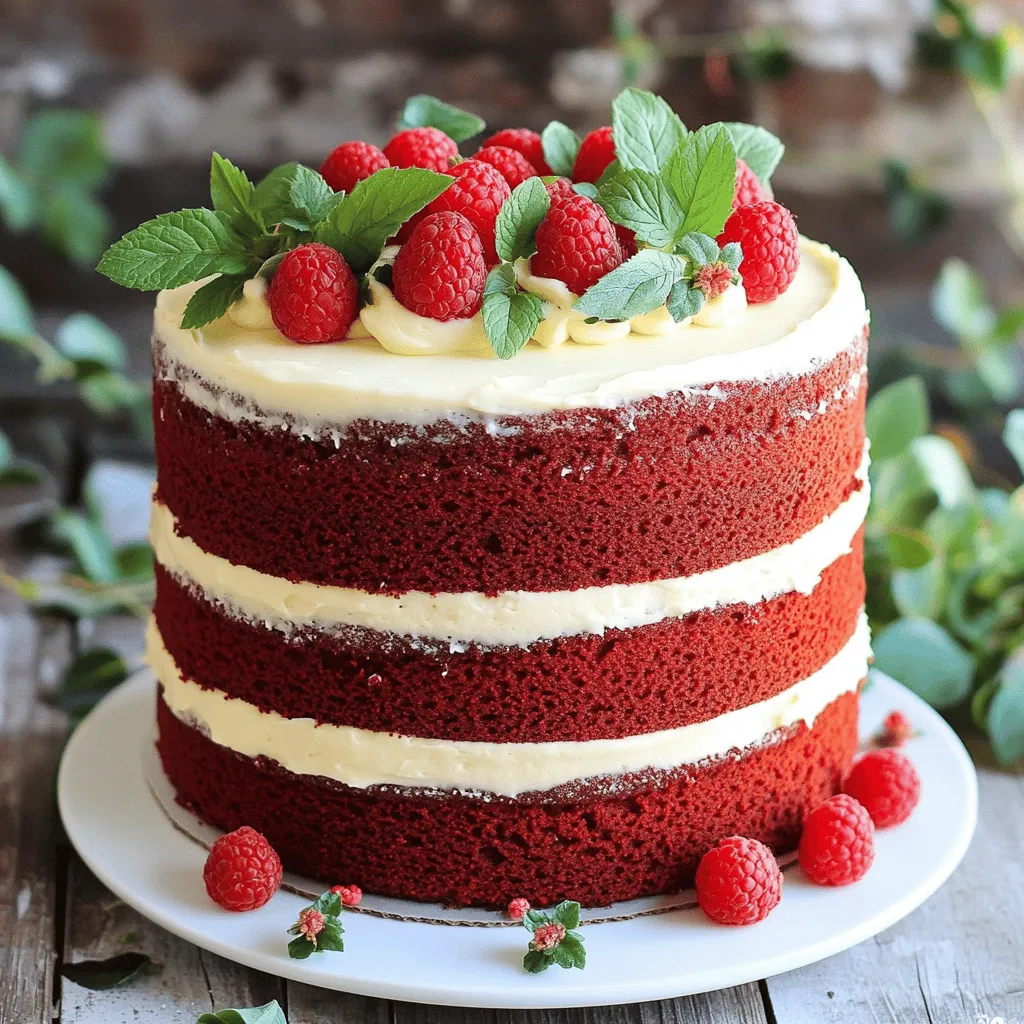
To create a perfect red velvet cake, you need these ingredients: - 2 ½ cups all-purpose flour - 1 ½ cups granulated sugar - 1 teaspoon baking soda - 1 teaspoon baking powder - 1 teaspoon salt - 1 teaspoon unsweetened cocoa powder - 1 ½ cups vegetable oil - 1 cup buttermilk, room temperature - 2 large eggs, room temperature - 2 tablespoons red food coloring - 1 teaspoon vanilla extract - 1 teaspoon white vinegar - 1 cup cream cheese, softened - ½ cup unsalted butter, softened - 4 cups powdered sugar - 1 teaspoon vanilla extract (for frosting) - Fresh raspberries and mint leaves for garnish You might need to swap some ingredients. Here are some ideas: - All-purpose flour: You can use cake flour for a lighter texture. - Buttermilk: If you don’t have buttermilk, mix milk with a bit of vinegar. - Vegetable oil: You can use canola oil or melted coconut oil. - Red food coloring: Natural beet juice offers a great color without artificial dyes. - Cream cheese: Greek yogurt can be a lower-fat option for frosting. Accurate measuring leads to great results. Here are some tips: - Use dry measuring cups for flour and sugar. Scoop and level off with a knife. - For liquid ingredients, use a clear measuring cup with markings. Check at eye level. - Room temperature items: Eggs and buttermilk mix better when they are at room temp. - Sift dry ingredients together for a light, fluffy cake. This helps to avoid lumps. Following these tips ensures your red velvet cake turns out perfectly every time! For the full recipe, check out the Red Velvet Dream Cake . 1. First, preheat your oven to 350°F (175°C). Grease and flour two 9-inch round cake pans. 2. In a big bowl, sift together: - 2 ½ cups all-purpose flour - 1 ½ cups granulated sugar - 1 teaspoon baking soda - 1 teaspoon baking powder - 1 teaspoon salt - 1 teaspoon unsweetened cocoa powder 3. In another bowl, whisk together: - 1 ½ cups vegetable oil - 1 cup buttermilk, room temperature - 2 large eggs, room temperature - 2 tablespoons red food coloring - 1 teaspoon vanilla extract - 1 teaspoon white vinegar 4. Gradually mix the wet ingredients into the dry ingredients. Blend until just combined. 5. Pour the batter evenly into the prepared pans and smooth the tops with a spatula. 6. Bake for 25-30 minutes. Check with a toothpick; it should come out clean. 7. Let the cakes cool in the pans for 10 minutes. Move them to wire racks to cool fully. - Use room temperature ingredients. This helps the batter mix well. - Do not over-mix the batter. This keeps the cake light and fluffy. - Check the cakes a few minutes before the timer goes off. Ovens can vary in heat. 1. In a bowl, beat together: - 1 cup cream cheese, softened - ½ cup unsalted butter, softened 2. Mix until smooth and creamy. 3. Gradually add: - 4 cups powdered sugar - 1 teaspoon vanilla extract 4. Beat until fluffy and well combined. 5. Once the cakes are cool, place one layer on a plate. Spread a thick layer of frosting on top. 6. Place the second layer on top and frost the entire cake. 7. For a beautiful touch, top with fresh raspberries and mint leaves. For the complete details and measurements, check the Full Recipe. Avoid these common mistakes to make your red velvet cake perfect. First, do not skip the buttermilk. It adds moisture and tang. Also, check your oven's temperature. An oven that is too hot can dry out the cake. Another mistake is over-mixing the batter. This can make the cake tough. Mix until just combined for the best texture. Lastly, be sure to cool your cakes completely before frosting. This helps the frosting stay thick and creamy. To keep your red velvet cake moist, use room temperature ingredients. This includes eggs and buttermilk. They mix better and help the cake rise. Adding vegetable oil instead of butter is another trick. Oil keeps the cake soft and moist longer. You can also use a simple syrup. Brush it on the cake layers before frosting to add extra moisture. When decorating your red velvet cake, start with a smooth base layer. Use a spatula to spread your cream cheese frosting evenly. For a fun touch, add fresh raspberries and mint leaves on top. This not only adds color but also flavor. You can also use a piping bag for fancy designs. Swirls and rosettes can make your cake look special. Don’t be afraid to get creative with your decoration! {{image_2}} You can play with flavors in your red velvet cake. Try adding orange zest for a citrus kick. Or, mix in some almond extract for a nutty twist. You can even swap out buttermilk for flavored yogurt. This can give your cake a fun taste and a new texture. While cream cheese frosting is classic, you have options! Try a chocolate ganache for a rich touch. A whipped cream frosting can lighten the cake. For something unique, consider a vanilla bean buttercream. Each frosting adds a different flair to your red velvet cake. Mix-ins can elevate your cake even more. Toss in some chocolate chips for sweetness. Walnuts or pecans add a nice crunch. Dried fruits, like cherries or cranberries, can bring a burst of flavor. Experiment with these add-ins to make your cake truly yours. For the full recipe, check out the detailed steps above! To keep your red velvet cake fresh, store it in an airtight container. If you slice the cake, wrap each piece in plastic wrap. This keeps the cake moist and tasty. Store the cake in the fridge if you won't eat it in two days. The cool air helps it stay fresh longer. You can freeze leftover red velvet cake for later. First, let it cool completely. Then, wrap it tightly in plastic wrap. After that, put it in a freezer bag or container. Label it with the date. It can last in the freezer for up to three months. When you're ready to eat it, thaw it overnight in the fridge. To reheat a slice of cake, place it in the microwave for about 10-15 seconds. This warms it up without drying it out. If you want to serve it cold, take it out of the fridge about 30 minutes before eating. This will soften the frosting and bring out its flavor. Enjoy it with some fresh raspberries or mint leaves for a lovely touch! Red velvet cake gets its red color primarily from the food coloring added to the batter. Traditionally, the cake also contains cocoa powder. This ingredient can react with acids in buttermilk and vinegar, giving it a slight reddish hue. However, modern recipes often rely on red food coloring to achieve that vibrant look. This striking color makes the cake stand out at any event. You can use different types of flour, but all-purpose flour works best. If you want a gluten-free version, consider using a gluten-free all-purpose blend. Just make sure the blend contains xanthan gum for structure. Avoid using cake flour, as it may make the cake too soft, affecting the texture. To check if your cake is done, insert a toothpick into the center. If it comes out clean or with a few crumbs, your cake is ready. The edges should also start to pull away from the pan slightly. Keep an eye on the clock, but always trust the toothpick test for accuracy. The best way to serve red velvet cake is chilled or at room temperature. A slice pairs well with a dollop of cream cheese frosting. You can also add fresh raspberries or mint leaves for a lovely touch. This cake is perfect for birthdays, anniversaries, or any celebration. For the complete recipe, you can refer to the Full Recipe section. It includes all the ingredients and steps needed to create this delicious red velvet cake. You now know how to make a great red velvet cake. We covered all the key ingredients and even discussed substitutes. I shared step-by-step instructions for baking and frosting. You learned common mistakes to avoid and tips for moistness. Remember, you can add your own flavors or mix-ins to personalize it. Store your cake properly to keep it fresh. I hope you feel ready to bake your own delicious red velvet cake. Enjoy every bite!

Red Velvet Cake Delicious and Easy Baking Recipe

Craving a sweet treat that’s as impressive as it is simple? Let me guide you through my delicious and easy

To make a classic apple pie, you need fresh and simple ingredients. Here’s what you will want to gather: - 6 medium-sized Granny Smith apples, peeled, cored, and sliced - ¾ cup granulated sugar - ½ cup brown sugar, packed - 2 tablespoons all-purpose flour - 1 teaspoon ground cinnamon - ¼ teaspoon ground nutmeg - 1 tablespoon lemon juice - 1 tablespoon unsalted butter, cut into small pieces - 1 package (14 oz) pre-made pie crusts (2 crusts) - 1 egg, beaten (for egg wash) - Pinch of salt Using Granny Smith apples gives a nice tart flavor that pairs perfectly with the sweet sugars. The mix of granulated and brown sugar enhances the pie’s taste and texture. Adding flour helps thicken the juices from the apples. Spice it up with cinnamon and nutmeg for a cozy feel. Lemon juice brightens the flavors and keeps the apples fresh. The butter adds richness, making the pie even more delicious. A pinch of salt balances the sweetness. Finally, pre-made pie crusts save time while still giving you that homemade touch. Check out the Full Recipe for step-by-step guidance! - Preheat your oven to 425°F (220°C). - Combine sliced apples with sugars, flour, spices, and lemon juice. Toss until coated. This mixture gives your pie a sweet and tangy taste. I love using Granny Smith apples. They add a nice tartness. You can also mix in some sweeter apples. This balance enhances the flavor. - Fit one pie crust into the pie pan, fill with apple mixture, cover with second crust, and seal edges. Press the bottom crust firmly. Pour in the apple filling, spreading it evenly. Dot small pieces of butter on top for richness. Place the second crust on top. Trim the edges and pinch them to seal. This step keeps the filling inside. - Brush egg wash, make slits in the top crust, and bake for 45-50 minutes until golden. The egg wash gives your crust a beautiful shine. The slits let steam escape, preventing sogginess. Watch for a golden crust. If the edges brown too fast, cover them with foil. Enjoy the sweet aroma filling your kitchen! To get a flaky crust, use cold ingredients. Cold butter and water help keep the dough light. When you mix the dough, be gentle. Don’t overwork it. Overworking makes the crust tough. Instead, mix just until it comes together. Use a mix of tart and sweet apples. This gives the pie great flavor. Granny Smith apples are tart, while Honeycrisp adds sweetness. After mixing the apples with sugar and spices, let the filling rest. This allows the juices to mix. Pour the filling into the crust once it rests for a few minutes. Watch the crust closely while baking. You want it golden brown before taking it out. This usually takes about 45 to 50 minutes. After baking, let the pie cool for at least 2 hours. This cooling time helps the filling set. If you cut it too soon, the filling may run out. For a complete guide, check the Full Recipe. {{image_2}} You can change the apples for your pie. Try Honeycrisp or Fuji apples. They add a sweet and tart taste. You can also mix types of apples for more depth. Another fun idea is to add cranberries or raisins. They bring a nice pop of flavor and a bit of color. Think about adding a splash of vanilla or almond extract. These flavors make the pie smell amazing. You can also add a sprinkle of nutmeg or allspice. These spices give warmth and depth to your pie. Each small change can make your pie unique. You have choices for your pie crust. A homemade crust is super tasty and flaky. It also allows you to control the ingredients. Store-bought crusts save time but can be just as good. You can also try a lattice top crust. It looks beautiful and lets steam escape while baking. Both options can make your classic apple pie shine. Check the Full Recipe for more details. After you bake your apple pie, let it cool down. Once it's cool, cover it with plastic wrap or foil. Store leftovers in the fridge for up to 3-4 days. This keeps the pie fresh and tasty. I recommend enjoying it within this time for the best flavor. You can freeze your apple pie if you have extra. Here’s how: - Unbaked Pie: Wrap it tightly in plastic wrap and then foil. This helps keep out air and prevents freezer burn. You can bake it straight from the freezer. Just add a few extra minutes to the cooking time. - Baked Pie: Allow it to cool completely. Wrap it in plastic wrap and foil. This keeps the pie moist. It can last in the freezer for up to 3 months. To enjoy your apple pie later, reheating is key: - Oven Method: This is my favorite! Preheat your oven to 350°F (175°C). Place the pie on a baking sheet and heat for about 15-20 minutes. The crust will get nice and crisp again. - Microwave Method: For a quick fix, use the microwave. Heat a slice for about 30-60 seconds. It won't be as crispy, but it's fast and easy. Now you can savor your homemade apple pie whenever you want! For the full recipe, check out the earlier sections. To avoid a soggy crust, try blind baking. This means pre-baking the crust before adding the filling. Place parchment paper in the crust, fill it with pie weights or dried beans, and bake for 10 minutes. Remove the weights and bake for another 5 minutes. Also, use a thicker filling. This helps absorb moisture. You will have a crispier bottom crust. For a great apple pie, I recommend mixing apple types. Use Granny Smith for tartness and Honeycrisp for sweetness. Fuji apples are sweet and juicy, too. A mix gives you a nice flavor and good texture. You want apples that hold their shape when baked. Yes, you can make apple pie ahead of time! Store it in the fridge for up to two days before baking. You can also freeze the unbaked pie for up to three months. Wrap it well in plastic wrap and aluminum foil. When ready, bake it straight from the freezer, adding a few extra minutes to the bake time. Peeling the apples is not a must, but it helps with texture. Peeling gives a smooth filling. Leaving the skin on adds color and nutrients. If you choose to keep the skin, wash it well. A mix of peeled and unpeeled apples can create a unique taste. Your pie is done when the filling bubbles and the crust is golden brown. Check for a thick, shiny filling. You may also see some juices oozing through the slits in the top crust. Let it cool before slicing. This helps the filling set and makes serving easier. You can make a great apple pie with just a few simple steps. Start with perfect Granny Smith apples for a mix of sweet and tart. Follow the guide to prepare your filling, assemble, and bake the pie. Remember to let it cool and rest for the best taste. You can even add your own twist with extra flavors or crust designs. With these tips, you can enjoy a delicious homemade pie that impresses everyone. Happy baking!

Classic Apple Pie Irresistible Homemade Delight

Are you ready to make the best apple pie? Classic Apple Pie: Irresistible Homemade Delight gives you every detail you

- 2 ¾ cups all-purpose flour - 1 teaspoon baking soda - ½ teaspoon baking powder - 1 teaspoon salt - 1 cup unsalted butter, softened - 1 ½ cups granulated sugar - 1 large egg - 1 tablespoon lemon zest (from about 2 lemons) - 2 tablespoons fresh lemon juice - 1 teaspoon vanilla extract - 1 ½ cups powdered sugar (for glazing) - 2 tablespoons fresh lemon juice (for glazing) - Lemon slices and zest for garnish (optional) You will need some basic items for these cookies. Start with the flour, baking soda, baking powder, and salt. These dry ingredients give the cookies structure. Next, get butter and sugar. The butter should be soft. This helps it mix well, making the cookies light. You also need an egg, lemon zest, lemon juice, and vanilla extract. These add flavor and moisture to the dough. For the glaze, gather powdered sugar and more lemon juice. This glaze gives the cookies a sweet and tart finish. If you like, use lemon slices or extra zest for a pretty touch on top. With all these ingredients ready, you will make a tasty treat! For the full recipe, check the cooking instructions later. 1. Preheat the oven and line baking sheets: Start by preheating your oven to 350°F (175°C). Line your baking sheet with parchment paper. This helps the cookies not stick. 2. Combine dry ingredients and cream butter/sugar mixture: In a bowl, mix together 2 ¾ cups of flour, 1 teaspoon of baking soda, ½ teaspoon of baking powder, and 1 teaspoon of salt. In a separate bowl, beat 1 cup of softened butter and 1 ½ cups of granulated sugar until fluffy. This takes about 3 minutes. 3. Add egg and flavorings to the mixture: Add 1 large egg, 1 tablespoon of lemon zest, 2 tablespoons of fresh lemon juice, and 1 teaspoon of vanilla extract to the butter mixture. Beat until mixed well. 1. Combine wet and dry ingredients, shape cookies, and set on baking sheet: Slowly add the dry mixture to the wet mixture. Mix on low until combined. Do not overmix! Use a cookie scoop to drop dough onto the prepared baking sheet. Space them 2 inches apart. 2. Baking time and tips for doneness: Bake the cookies for 8-10 minutes. Look for lightly golden edges. The middle may seem soft, but it will firm up while cooling. 1. How to make the glaze: In a small bowl, whisk together 1 ½ cups of powdered sugar and 2 tablespoons of fresh lemon juice. Mix until smooth and pourable. 2. Techniques for glazing cookies: Once the cookies are cool, drizzle the glaze over each cookie. You can use a spoon or a piping bag for neat lines. 3. Optional garnishing ideas: If you want, add small lemon slices or more lemon zest on top of the glaze while it is still wet. This adds a nice touch! For the full recipe and additional tips, check out the [Full Recipe]. Enjoy making your glazed lemon sugar cookies! To make the best glazed lemon sugar cookies, start with measuring flour correctly. Use a spoon to scoop flour into your measuring cup. Then level it off with a knife. This method helps avoid too much flour, which can make cookies dry. Room temperature butter is key. It blends well with sugar, creating a light and fluffy mixture. If your butter is cold, it won’t mix properly. Leave it out for about 30 minutes before use. Avoid overmixing the dough. Once you add dry ingredients, mix just until combined. Overmixing can make cookies tough. You want a soft and tender cookie, so stop mixing as soon as everything blends. To enhance lemon flavor, add more lemon zest. This gives a bright, zesty taste. You can also mix in a bit of lemon extract for an extra kick. For alternate glazes, try a simple vanilla glaze. Just mix powdered sugar with milk and vanilla. This adds sweetness without the tartness of lemon. You can also sprinkle in chopped nuts or shredded coconut for added texture. {{image_2}} You can switch up the flavor of your glazed lemon sugar cookies with different citrus. Try using lime zest for a fresh twist. Lime adds a bright and tangy taste that pairs well with the sweetness. Orange zest is another great option. It brings a sweet, fruity aroma that brightens the cookies. For seasonal variations, think about adding blood orange zest in winter. It gives a lovely color and flavor that stands out. If you need to make your cookies gluten-free, use a gluten-free flour blend. Many blends work well in cookies. Look for one that includes xanthan gum for a better texture. If you want a vegan option, replace the butter with coconut oil or a plant-based butter. You can use a flax egg instead of a regular egg. Just mix one tablespoon of ground flaxseed with two and a half tablespoons of water. Let it sit until it thickens. These changes keep the cookies tasty while fitting different diets. Store your glazed lemon sugar cookies at room temperature in an airtight container. This keeps them soft and fresh for about a week. Avoid placing them in direct sunlight. You can add a piece of bread to the container. This helps keep cookies moist. You can separate layers of cookies with parchment paper. This method prevents them from sticking together. If you want to keep the glaze intact, wait until the cookies cool completely before storing them. This ensures the glaze sets properly. For long-term storage, you can freeze both unbaked dough and baked cookies. To freeze unbaked dough, scoop the dough onto a lined baking sheet. Freeze the dough balls until firm, then transfer them to a freezer bag. This method saves space and keeps the dough fresh for up to three months. If you prefer to freeze baked cookies, let them cool completely. Then, place them in an airtight container or freezer bag. They can last up to three months in the freezer. To thaw, simply take them out and let them sit at room temperature for about 30 minutes. If you want to enjoy them warm, pop them in a preheated oven at 350°F (175°C) for a few minutes. This will bring back their fresh-baked goodness. You can tell when cookies are done by looking at their edges. The edges should be lightly golden. If the center looks a bit soft, don’t worry. They will firm up as they cool. Gently touch the center with your finger. If it springs back, they are ready to come out. Yes, you can make the dough ahead of time! Just shape it into a ball and wrap it in plastic. Store it in the fridge for up to three days. If you want to keep it longer, freeze the dough for up to three months. When ready to bake, let it thaw in the fridge overnight and then scoop and bake as usual. If you lack fresh lemons, you can use bottled lemon juice. About two tablespoons of bottled juice works well. You can also use lemon extract as an option. One teaspoon of extract can replace the zest and juice. Just remember, the flavor may not be as bright as fresh lemons, but it will still taste good! Baking cookies is simple with the right ingredients and steps. You learned about the key components like flour, butter, and eggs. I shared tips for perfect texture and flavor. Don’t forget to experiment with different citrus and dietary options. Storing cookies properly keeps them fresh longer. I hope you feel excited to try these recipes. Happy baking!

Glazed Lemon Sugar Cookies Tasty and Simple Recipe

Craving something sweet, bright, and delicious? You’ll love these Glazed Lemon Sugar Cookies! This simple recipe combines fresh lemon zest

- 3 medium apples, peeled, cored, and diced (preferably Granny Smith) - 1 teaspoon lemon juice - 1/2 cup brown sugar - 1 teaspoon ground cinnamon - 1/4 teaspoon nutmeg - 1 tablespoon cornstarch - 1 tablespoon unsalted butter For the apple pie filling, I recommend using Granny Smith apples. They add a nice tartness that balances the sweetness. The lemon juice keeps the apples fresh and bright. The brown sugar, cinnamon, and nutmeg bring warmth and depth to the flavors. - 2 cups cream cheese, softened - 1 cup granulated sugar - 1 teaspoon vanilla extract - 3 large eggs - 1 cup sour cream The cream cheese is key for a rich, smooth texture. Be sure to let it soften so it blends well. The granulated sugar adds sweetness, while the vanilla extract gives a lovely aroma. Sour cream adds creaminess and a slight tang. - 1 1/2 cups graham cracker crumbs - 1/4 cup granulated sugar - 1/2 cup unsalted butter, melted For the crust, graham cracker crumbs create a nice crunch. Mixing them with sugar and melted butter makes a great base. Press it firmly into the pan to ensure it holds together after baking. Following the full recipe will guide you through each step for this delightful dessert. Enjoy making your apple pie stuffed cheesecake! To make the apple pie filling, start by melting the butter in a saucepan over medium heat. Once melted, add in the diced apples, lemon juice, brown sugar, cinnamon, nutmeg, and cornstarch. Stir everything well to mix the flavors. Cook this mixture until the apples become tender, which takes about 5 to 7 minutes. After that, set the filling aside to cool. This step is key, as it keeps the apples from cooking too much in the oven. Next, it's time to make the crust. In a medium bowl, combine the graham cracker crumbs, granulated sugar, and melted butter. Mix these ingredients until they are well combined. Press this mixture evenly into the bottom of a 9-inch springform pan to create a solid layer. Bake the crust in your preheated oven for 10 minutes, then remove it and let it cool slightly. A good crust holds everything together and adds a nice crunch. Now, we move on to assembling the cheesecake. First, pour half of the cheesecake batter over the cooled crust. Next, spoon the cooled apple pie filling evenly on top of this layer. Pour the remaining cheesecake batter over the filling, smoothing the top with a spatula. Finally, place the cheesecake in the oven and bake it for about 60 to 70 minutes. The center should be set but still have a slight jiggle. After baking, turn off the oven and crack the door open. Letting the cheesecake cool in the oven for 1 hour helps prevent cracks. Once cooled, cover it with plastic wrap and refrigerate for at least 4 hours, or overnight for the best results. This chilling step enhances the flavor and texture. For the full recipe, check out the details above. To get a smooth and creamy cheesecake, use room-temperature cream cheese. Cold cream cheese makes lumps. Beat the cream cheese until it is fluffy. This takes about three minutes. Add sugar slowly while mixing. This helps mix better, too. Don't overmix once you add the eggs. You want a smooth batter, but overmixing adds air. Too much air causes cracks when baking. One big mistake is not measuring your ingredients. Use a kitchen scale for accuracy. Another error is baking at the wrong temperature. Make sure your oven is at 325°F. This is key for even cooking. Also, don’t skip the cooling steps. Cooling in the oven helps avoid cracks. Lastly, don't rush the chilling process. A full chill makes your cheesecake firm and creamy. Let your cheesecake cool in the oven first. After baking, crack the door and let it cool for an hour. This helps prevent cracks. Then, wrap it well and chill it for at least four hours. Overnight chilling gives the best flavor and texture. Before serving, let it sit at room temperature for about 30 minutes. This makes each slice easier to cut and enjoy. For extra flair, drizzle caramel sauce on top before serving. For the full recipe, check the details above. {{image_2}} You can switch up your stuffed cheesecake by using other fruits. Try peaches, cherries, or blueberries. These fruits add unique flavors and colors. Each fruit has its own taste profile, so feel free to mix and match. For example, combine apples and cranberries for a tart twist. Just adjust the sugar to balance the flavors. This way, you keep your cheesecake exciting and fresh. Get creative with themes for special occasions. For a holiday, add spices like ginger and nutmeg for a warm flavor. A fall theme can use pumpkin puree mixed with the apple pie filling. For summer, think about a tropical vibe with coconut and pineapple. You can even create a fun birthday cheesecake with colorful sprinkles and chocolate. Themed variations let you express your creativity and impress your guests. If you need gluten-free options, swap regular graham crackers for gluten-free ones. You can use almond flour or oat flour for the crust. For a low-sugar version, replace sugar with natural sweeteners like stevia or monk fruit. These options keep the taste rich without the extra sugar. Always check the labels to ensure everything fits your dietary needs. This way, everyone can enjoy a slice of your delicious cheesecake! For the full recipe, check out the [Full Recipe]. To store leftover cheesecake, first, let it cool completely. Then, cover it tightly with plastic wrap. You can also use an airtight container. This keeps the cheesecake fresh for up to five days in the fridge. If you want to keep it longer, freezing is a great option. You can freeze the cheesecake for up to three months. To do this, slice the cheesecake and wrap each piece in plastic wrap. Then, place the wrapped pieces in a freezer-safe bag. Make sure to label the bag with the date. This helps you know when to enjoy your delicious dessert. To reheat a frozen slice, take it out and let it sit in the fridge overnight. This helps it thaw slowly. If you're in a hurry, you can use the microwave. Heat it on low power for 20-30 seconds. Be careful not to overheat. Enjoy your tasty treat at room temperature or slightly warm. Apple Pie Stuffed Cheesecake can last in the fridge for about 5 to 7 days. Store it in an airtight container to keep it fresh. If you want to save it longer, you can freeze it. In the freezer, it can last up to 3 months. Just wrap it well to prevent freezer burn. Yes, you can make this cheesecake a day or two ahead of time. It actually tastes better after chilling overnight. Just make sure to cover it tightly with plastic wrap. This helps keep it moist and flavorful. You can serve this cheesecake with whipped cream on top. A drizzle of caramel sauce makes it even better. You can also add a sprinkle of cinnamon or serve it with vanilla ice cream. Fresh apple slices can add a nice touch too. For more ideas, check out the Full Recipe for Apple Pie Stuffed Cheesecake. You now know how to make a tasty Apple Pie Stuffed Cheesecake. We covered the key ingredients, step-by-step baking, and useful tips to avoid mistakes. Remember to try different flavors and options, like gluten-free versions. Proper storage helps keep your cheesecake fresh longer. Enjoy sharing this sweet treat! It’s perfect for any gathering. Happy baking!

Irresistible Apple Pie Stuffed Cheesecake Delight

Welcome to a dessert lover’s dream! Today, I’m sharing my recipe for Irresistible Apple Pie Stuffed Cheesecake Delight. Imagine creamy

To make the best homemade cinnamon rolls, you need the right ingredients. The perfect blend creates soft and fluffy rolls. Here’s what you need: - 4 cups all-purpose flour - 1/4 cup granulated sugar - 1 packet (2 1/4 teaspoons) instant yeast - 1/2 teaspoon salt - 1 cup whole milk, warmed - 1/4 cup unsalted butter, melted - 2 large eggs - 1 tablespoon ground cinnamon - 1/2 cup brown sugar, packed - 1/4 cup unsalted butter, softened (for filling) - 1 cup powdered sugar (for icing) - 2 tablespoons milk (for icing) - 1 teaspoon vanilla extract (for icing) Each ingredient plays a key role in creating that delightful taste and texture. Flour gives body, while sugar adds sweetness. Yeast helps the rolls rise. The milk and butter keep them moist. Eggs provide richness. Ground cinnamon delivers that warm flavor we love in cinnamon rolls. For the icing, powdered sugar, milk, and vanilla create a creamy topping. This icing makes the rolls even more tempting. You can find the full recipe to guide you step by step. Enjoy baking! - Activate the Dough: In a large bowl, mix the warm milk, melted butter, and sugar. Sprinkle the yeast over this mix. Let it sit for about 5-10 minutes until it froths. - Mix the Dough: Add the eggs and salt, then slowly mix in the flour. Stir until a soft dough forms. Knead the dough on a floured surface for 5-7 minutes until smooth. - First Rise: Place the dough into a greased bowl. Cover it with a towel and let it rise in a warm spot for about 1 hour until it doubles in size. - Prepare the Filling: In a small bowl, mix the softened butter, brown sugar, and cinnamon until well blended. This will create a sweet layer for your rolls. - Roll Out the Dough: After the dough rises, punch it down. Roll it out on a floured surface into a rectangle, about 16x12 inches. - Spread and Roll: Evenly spread the filling over the dough, leaving a small edge. Starting from one end, roll the dough tightly into a log. Cut the log into 12 equal slices. - Second Rise: Place the rolls in a greased 9x13 inch baking dish. Cover them and let rise again for about 30 minutes. - Preheat Oven: Set your oven to 375°F (190°C) so it's hot and ready. - Bake: Bake the cinnamon rolls for 25-30 minutes. They should turn golden brown. This method creates soft and fluffy cinnamon rolls. For the complete experience, check out the Full Recipe. Enjoy the process and the delightful smell that fills your kitchen! - Kneading Techniques: Kneading is key to soft rolls. You should knead the dough for about 5 to 7 minutes. The dough should feel smooth and elastic. If it sticks to your hands, add a little flour. Use the heel of your hand to push the dough, then fold it back. This method develops gluten, which helps the rolls rise. - Rise Conditions: The best place for dough to rise is a warm, draft-free spot. An ideal temperature is around 75°F to 80°F (24°C to 27°C). If your kitchen is cool, you can turn on the oven for a minute, then turn it off. Place the bowl in there to help the dough rise. Humidity also helps, but if it’s dry, cover the dough with a damp cloth. - Making the Icing: For the icing, mix powdered sugar, milk, and vanilla extract. The icing should be smooth, not runny. If it’s too thick, add a bit more milk. For a twist, you can add a pinch of cinnamon or even some maple syrup for added flavor. - Applying Icing: Wait until the rolls are warm but not too hot. Drizzle the icing over the rolls for a nice finish. Use a spoon or whisk for even coverage. This gives a professional look and adds that sweet touch everyone loves. - Dense Rolls: If your rolls are dense, it’s often due to not kneading enough. Also, check if the dough rose properly. If it didn’t double in size, it might be due to old yeast or a cold environment. Always check the yeast’s expiration date before using it. - Over-baking Tips: To avoid dry cinnamon rolls, keep an eye on the time. Bake until they are golden brown, usually 25 to 30 minutes. You can also cover them with foil if they brown too quickly. A toothpick inserted in the center should come out clean, but not too dry. {{image_2}} You can make your cinnamon rolls even better with a few tasty twists. Here are some fun options: - Nutty Options: Add walnuts or pecans for a delicious crunch. Chop them up and sprinkle them on the filling. This will add a nice texture and flavor. - Fruit Fillings: Want a fruity taste? Try adding raisins, cranberries, or even diced apples. Mix them into the filling or layer them with the cinnamon sugar. They will bring a sweet and tangy flavor. The icing can change the whole feel of your cinnamon rolls. Here are two popular ideas: - Cream Cheese Icing: For a richer taste, mix 8 oz of cream cheese with 1 cup of powdered sugar, 2 tablespoons of milk, and 1 teaspoon of vanilla extract. This icing will make your rolls feel extra special. - Chocolate Icing: If you love chocolate, try this! Melt 1/2 cup of chocolate chips. Stir in 1 tablespoon of butter and 2 tablespoons of milk until smooth. Drizzle this over your warm rolls for a sweet twist. You can still enjoy cinnamon rolls if you have special dietary needs. Here are some tips: - Gluten-Free Options: Use a gluten-free flour blend instead of all-purpose flour. Make sure to add 1 teaspoon of xanthan gum to help with the texture. - Vegan Options: Substitute the butter with coconut oil or a vegan butter. Use almond or soy milk in place of whole milk. For eggs, use flaxseed meal mixed with water. This can give you soft and fluffy rolls without any animal products. These variations let you enjoy cinnamon rolls that fit your taste and needs! For the full recipe, check out the main section. - Room Temperature: You can keep leftover cinnamon rolls at room temperature for 1-2 days. Just wrap them in plastic wrap or store them in an airtight container. This keeps them soft and fluffy. - Refrigeration: If you want to store them longer, refrigerate the rolls. Place them in a container with a lid. They can last up to a week in the fridge. Just remember, cold air can dry them out. - Freezing Directions: To freeze baked rolls, let them cool completely. Then, wrap each roll tightly in plastic wrap. Place them in a freezer bag. They can last for about 2-3 months in the freezer. - Reheating Tips: When you are ready to enjoy them again, take the rolls out of the freezer. Let them thaw in the fridge overnight. To reheat, place them in a preheated oven at 350°F (175°C) for about 10-15 minutes. This keeps them soft and warm. - Ideal Pairings: Cinnamon rolls go great with coffee or tea. A glass of milk also makes a tasty drink. You can serve them with fresh fruit or yogurt for a nice balance. Each bite of sweet roll pairs well with a hot drink. Enjoy your rolls warm for the best taste! How to store leftover cinnamon rolls? You can store leftover cinnamon rolls at room temperature. Place them in an airtight container. They will stay soft for 1 to 2 days. For longer storage, refrigerate them. Just remember to warm them up before eating. Can I make cinnamon rolls ahead of time? Yes, you can make cinnamon rolls ahead of time. Prepare the rolls, then cover them tightly. Place them in the fridge for up to 24 hours. When you're ready to bake, let them rise for about 30 minutes at room temperature before baking. What can I substitute for instant yeast? You can use active dry yeast as a substitute. Just use the same amount. But you need to activate it in warm water first. Let it sit for about 5 to 10 minutes until it bubbles. Can I use active dry yeast instead of instant yeast? Yes, you can use active dry yeast. The rolls will still rise well. Just remember to activate it first in warm water. Why are my cinnamon rolls not rising? Your rolls may not rise due to old yeast. Always check the expiration date. Also, ensure your dough is in a warm spot. If it's too cold, it won’t rise. How can I make the dough softer? To make the dough softer, add more milk or butter. Knead it until smooth and elastic. Avoid adding too much flour, as this can make it dry. What’s the best way to ensure even baking? To ensure even baking, rotate your baking dish halfway through. This helps the rolls bake evenly. Also, check that your oven is properly calibrated. How do I know when my cinnamon rolls are done? Your cinnamon rolls are done when they are golden brown. You can also test them with a toothpick. If it comes out clean, they are ready to enjoy! For the full recipe, refer back to the earlier section. You now have all the steps to make perfect cinnamon rolls. From gathering ingredients to baking, each part is key. Remember, the right rise makes a big difference. Don't forget to try different flavors and icings to find your favorite. Storing and reheating properly will keep them fresh. With these tips, you can enjoy soft, sweet rolls anytime. Happy baking!

Best Homemade Cinnamon Rolls Soft and Fluffy Delight

Welcome to the world of homemade cinnamon rolls, where each bite is like a warm hug! In this post, I’ll

Older posts
Newer posts
← Previous Page1 … Page139 Page140 Page141 … Page164 Next →

dsad

© 2026 easycookingbite • Built with GeneratePress

Our Policies

  • Copyright Policy
  • Cookie Policy
  • GDPR Policy
  • Privacy Policy
  • Disclaimer
  • Terms Of Use

More Information

  • Home
  • About
  • Contact
  • Appetizers
  • Dessert
  • Dinner
  • Drinks
©2026, easycookingbite About Back To Top